
What Is Pelvic Floor Physiotherapy? A Complete Guide for Burlington
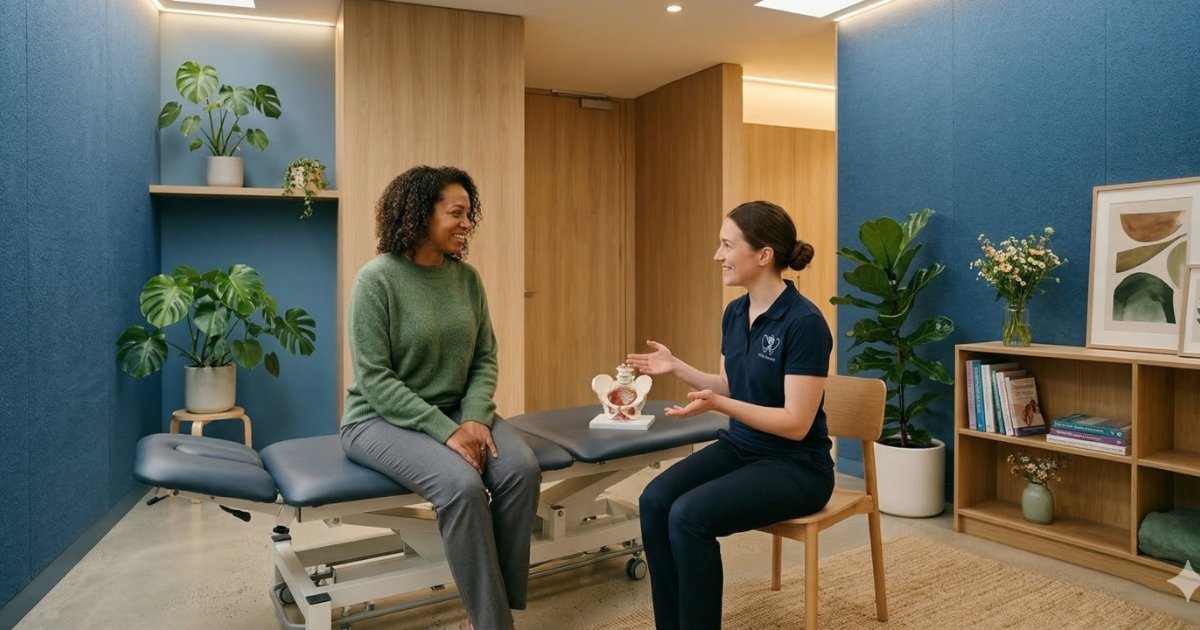
If you've been told you should see a pelvic floor physiotherapist, you might be wondering what exactly that means—and whether it's really necessary. The good news is that pelvic floor physiotherapy is a well-established, evidence-based treatment that helps people manage and often resolve conditions affecting the bladder, bowel, sexual function, and core stability.
At Burlington Pelvic Physiotherapy, we understand that talking about these issues can feel vulnerable. Many patients arrive at our clinic after years of struggling with symptoms they thought were "just part of aging" or "normal after having babies." But pelvic floor dysfunction is common, affecting up to 25% of adults, and evidence shows that specialized physiotherapy can provide significant relief.
Understanding the Pelvic Floor
The pelvic floor is a group of muscles and connective tissues that form a supportive hammock at the base of your pelvis. These muscles support your bladder, uterus or prostate, and rectum. They also play crucial roles in:
- Controlling urination and bowel movements
- Supporting pelvic organs and preventing prolapse
- Contributing to sexual function and pleasure
- Stabilizing your core and lower back
- Managing intra-abdominal pressure during activities like lifting, coughing, or exercise
When these muscles become too weak, too tight, or poorly coordinated, they can no longer perform these functions effectively. This is known as pelvic floor dysfunction.
Who Benefits from Pelvic Floor Physiotherapy?
Research demonstrates that pelvic floor physiotherapy can help a wide range of conditions. Evidence suggests it may be beneficial for:
Women's Health Conditions
- Urinary incontinence (stress, urge, or mixed types)
- Pelvic organ prolapse - when organs like the bladder, uterus, or rectum shift from their normal position
- Pregnancy and postpartum recovery - including preparing for childbirth and healing after delivery
- Diastasis recti (abdominal separation)
- Painful intercourse (dyspareunia)
- Vaginismus and vulvodynia
- Endometriosis-related pelvic pain
- Menopause-related symptoms
Men's Health Conditions
- Post-prostatectomy urinary incontinence - many men experience improved bladder control after prostate surgery with specialized therapy
- Chronic prostatitis and chronic pelvic pain syndrome
- Erectile dysfunction related to pelvic floor tension
- Pelvic pain conditions
Conditions Affecting All Genders
- Chronic constipation and bowel dysfunction
- Fecal incontinence
- Pelvic pain and pelvic floor myofascial pain
- Tailbone pain (coccydynia)
- Pudendal neuralgia
- Interstitial cystitis or bladder pain syndrome
- Core weakness or instability
A Cochrane systematic review found that pelvic floor physiotherapy can cure or improve symptoms of stress urinary incontinence and all other types of urinary incontinence. The 6th International Consultation on Incontinence recommends physiotherapy as a first-line treatment for many pelvic floor conditions.
What Happens During Your First Visit
Many patients feel nervous about their first appointment, which is completely understandable. At Burlington Pelvic Physiotherapy, we prioritize creating a comfortable, respectful environment where you feel safe discussing sensitive health concerns.
Initial Assessment
Your first visit typically lasts up to an hour and focuses on understanding your unique situation. The assessment includes:
Health History Discussion: Your physiotherapist will ask about your symptoms, medical history, pregnancies and deliveries (if applicable), bowel and bladder habits, sexual health, diet, and exercise routines. This conversation helps identify patterns and potential contributing factors.
Functional Assessment: This may include observing your posture, movement patterns, breathing mechanics, and core stability. The therapist might ask you to perform certain movements to assess muscle coordination.
Internal Examination (if appropriate and with your consent): In Ontario, physiotherapists performing internal examinations require specific authorization from the College of Physiotherapists of Ontario. Juhi Israni holds this certification and can provide comprehensive pelvic floor assessment when indicated.
An internal exam allows the therapist to directly assess the pelvic floor muscles' strength, coordination, tone, and any areas of pain or tightness. The therapist may use biofeedback or ultrasound to better visualize how the muscles respond during contraction and relaxation.
It's important to know that you are always in control. Internal examination is never mandatory, and you can decline or stop at any time. Some patients prefer to start with external assessment and education, progressing to internal work once they feel more comfortable.
Treatment Planning
After the assessment, your physiotherapist will explain the findings, discuss possible causes of your symptoms, and recommend treatment options tailored to your specific needs and goals.
What Does Treatment Involve?
Pelvic floor physiotherapy uses a variety of evidence-based techniques. Your treatment plan might include:
Pelvic Floor Muscle Training
Contrary to popular belief, Kegel exercises aren't always the answer. Many people falsely believe that doing Kegels at home will solve any pelvic floor disorder. When done incorrectly or without addressing the underlying problem, symptoms may not improve or could even worsen.
A qualified physiotherapist can teach you:
- How to properly identify and engage your pelvic floor muscles
- Whether you need to strengthen weak muscles or relax overactive ones
- Coordination exercises to improve timing and control
- Functional training to integrate pelvic floor engagement into daily activities
Manual Therapy
Manual therapy uses gentle, hands-on techniques to address muscle tension, trigger points, and fascial restrictions. Techniques include:
- Myofascial release: Direct pressure on trigger points to relieve muscle tension and pain
- Soft tissue mobilization: Gentle manipulation to reduce pain, decrease swelling, and remodel scar tissue (particularly helpful for C-section recovery)
- Joint mobilization: Gentle movements to improve mobility in the pelvis, hips, and lower back
Biofeedback Therapy
Biofeedback uses sensors (either internal or external) to track pelvic floor muscle activity in real time. You can see on a screen how your muscles are working, which helps you learn proper technique and provides immediate feedback on your progress.
Electrical Stimulation
When appropriate, mild electrical currents may be used to stimulate pelvic floor muscles, particularly when muscles are very weak or difficult to engage voluntarily. This can help "wake up" the muscles and improve your ability to contract them effectively.
Education and Lifestyle Modifications
Understanding how daily habits affect your pelvic floor is crucial for long-term improvement. Your physiotherapist may discuss:
- Bladder and bowel habits: Addressing "just in case" peeing and constipation management
- Breathing and posture: Learning how proper breathing mechanics support pelvic floor function
- Exercise modifications: Continuing CrossFit or running while managing symptoms
- Ergonomics: Adjustments to reduce strain during work or daily activities
Home Exercise Program
A personalized home program ensures continued progress between appointments. This might include specific exercises, stretches, relaxation techniques, or behavioral strategies.
How Long Does Treatment Take?
Treatment duration varies significantly depending on your condition, severity, and individual response. Some patients notice improvements within a few weeks, while others with complex or chronic conditions may benefit from several months of regular sessions.
Most treatment plans involve weekly or biweekly appointments initially, gradually spacing out as you progress. Many patients eventually transition to occasional check-ins to maintain their gains.
Accessing Pelvic Floor Physiotherapy in Burlington
In Ontario, you do not need a physician referral to see a physiotherapist—you can book directly. However, some insurance providers may require a referral for reimbursement, so it's worth checking your coverage details.
Insurance Coverage
- OHIP: Provides limited coverage for physiotherapy services
- Private insurance: Most extended health benefit plans include physiotherapy coverage, though the number of visits and amount covered varies by plan
- Direct billing: Burlington Pelvic Physiotherapy can directly bill many insurance companies for your convenience
It's advisable to contact your insurance provider to understand your specific coverage and any requirements like referrals or pre-authorization.
Why Specialized Training Matters
While many Canadian physiotherapy programs now include basic pelvic health content in their curriculum, treating pelvic floor disorders effectively requires advanced, specialized training.
Pelvic floor therapists are rehabilitation professionals with expertise in treating these sensitive conditions. At Burlington Pelvic Physiotherapy, Juhi Israni has completed specialized training in pelvic health and holds certification from the College of Physiotherapists of Ontario to perform internal examinations.
This specialized knowledge ensures that your treatment addresses not just symptoms, but the underlying biomechanical, neuromuscular, and functional factors contributing to your condition.
Common Misconceptions About Pelvic Floor Physiotherapy
"It's only for women who've had babies."
While pregnancy and childbirth are common risk factors, pelvic floor dysfunction affects people of all ages and genders. Athletes, people with chronic constipation, those who've had pelvic surgery, and anyone experiencing pelvic pain can benefit from treatment.
"Leaking urine is just a normal part of aging."
Urinary incontinence is common, but it's not something you have to accept. Evidence shows that pelvic floor physiotherapy can significantly improve or cure incontinence symptoms in many patients.
"I just need to do more Kegels."
Sometimes the problem isn't weak muscles—it's muscles that are too tight or poorly coordinated. Doing Kegels when you have an overactive or hypertonic pelvic floor can actually make symptoms worse.
"It will be painful or embarrassing."
At Burlington Pelvic Physiotherapy, we prioritize your comfort and dignity. Treatment is performed in a private, professional setting, and we move at a pace that feels right for you.
When to Seek Help
You don't need to wait until symptoms become severe. Consider booking an assessment if you're experiencing:
- Any amount of urinary or fecal leakage
- Frequent or urgent need to urinate
- Difficulty emptying your bladder or bowels
- Pelvic pain, pressure, or heaviness
- Pain during intercourse
- A bulge or dragging sensation in the vagina
- Persistent lower back pain that hasn't improved with other treatment
- Planning pregnancy or recovering postpartum
International guidelines and the NHS long-term plan now emphasize using physiotherapy as a preventive measure, particularly around childbirth. Pelvic physiotherapy before delivery may help support a smoother birth experience and faster recovery.
The Bottom Line
Pelvic floor physiotherapy is an evidence-based, first-line treatment for numerous pelvic floor disorders. Whether you're dealing with incontinence, pain, prolapse, or functional issues, specialized physiotherapy offers real hope for improvement.
At Burlington Pelvic Physiotherapy, we're committed to providing compassionate, expert care that addresses your unique needs and goals. Treatment is tailored, respectful, and focused on helping you regain confidence and quality of life.
This content is for educational purposes and does not replace professional medical advice. Individual results may vary, and treatment outcomes depend on many factors including the severity and duration of symptoms.
Ready to Start Your Journey?
If you're experiencing pelvic floor symptoms, you don't have to manage them alone. The team at Burlington Pelvic Physiotherapy is here to help you understand what's happening in your body and develop a treatment plan that works for you.
Located at 960 Cumberland Ave in Burlington, we serve patients throughout the Burlington area and beyond. Contact us at 905-635-5711 or book your appointment online to take the first step toward feeling better.
Reviewed by: Juhi Israni, Pelvic Health Physiotherapist