How Pelvic Floor Physiotherapy Helps Pelvic Pain in Burlington

If you've been living with chronic pelvic pain, you've likely heard various recommendations: rest more, stretch, try different medications, or "just do Kegels." But pelvic pain is rarely that simple, and the solution often requires a different approach than strengthening alone.
At Burlington Pelvic Physiotherapy, our team works with many patients who experience pelvic pain from conditions like pelvic floor muscle tension, endometriosis, painful intercourse, chronic prostatitis, and unexplained chronic pelvic pain syndrome. Understanding how pelvic floor physiotherapy addresses pain—through manual therapy, muscle relaxation, therapeutic exercise, and education—can help you make informed decisions about your care.
Understanding Pelvic Floor Muscle Tension and Pain
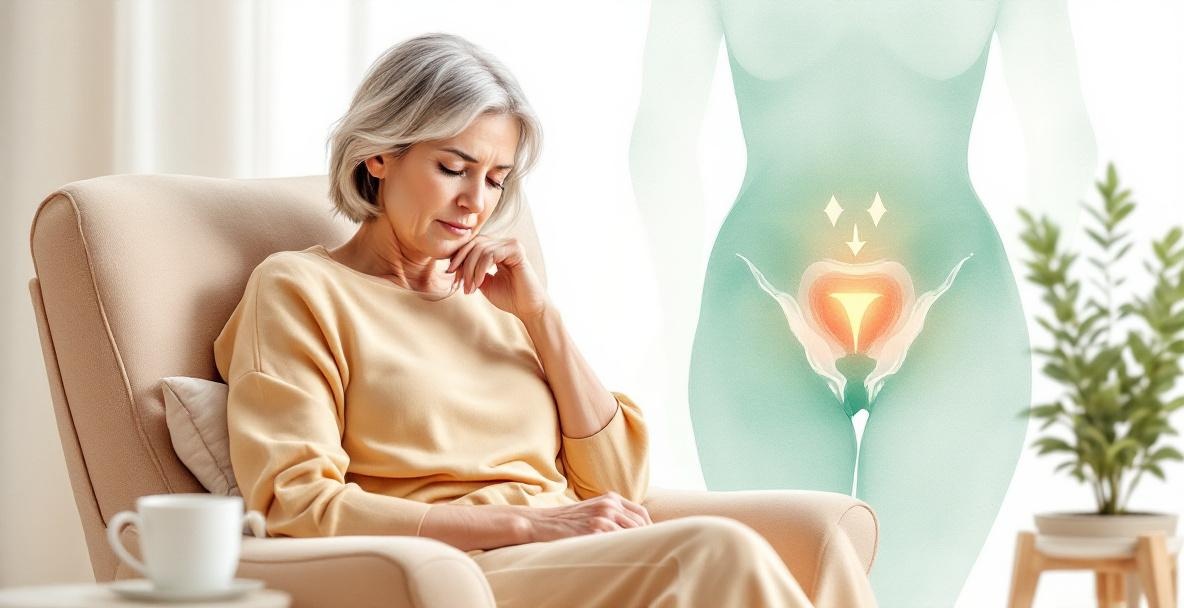
Many people experiencing chronic pelvic pain have what's called hypertonic pelvic floor dysfunction—muscles that are tighter and more restricted than normal. This sustained muscle tension can develop from repeated overload, injury, stress, or protective guarding after pain or trauma.
When pelvic floor muscles remain chronically tight, they develop trigger points—localized areas of muscle tension that refer pain to other regions of the pelvis. Research shows these trigger points contain elevated levels of inflammatory and pain-related chemicals such as substance P, bradykinin, and various cytokines. These biochemical irritants contribute to ongoing pain and sensitivity.
The result? Pain with sitting, intercourse, bowel movements, or urination. Aching or burning sensations in the pelvis, groin, or lower abdomen. Discomfort that may have started with one issue but has persisted long after the initial problem resolved.
For more on recognizing pelvic floor issues, see our post on warning signs your pelvic floor may not be working properly.
How Manual Therapy Addresses Myofascial Pain
Manual therapy forms the foundation of pelvic floor physiotherapy for pain management. This involves hands-on techniques that work directly with tight, painful muscles and connective tissue.
External and Internal Techniques
Our team uses gentle pressure and massage techniques applied both externally (to the hips, abdomen, and lower back) and internally (when appropriate and with consent) to help muscles release tension and regain normal function. Myofascial release applies skillful stimulation to trigger points and areas of restriction to promote muscle relaxation and elongation.
These techniques work through several mechanisms:
Improved circulation and drainage: Manual therapy may help disperse or modulate biochemical irritants in trigger points by improving drainage and reducing stagnation in the tissue spaces around muscles.
Neurophysiological effects: Gentle, sustained pressure to painful areas can help reduce sensitivity to pain and improve the body's natural pain-inhibitory systems—essentially helping your nervous system "turn down the volume" on pain signals.
Restored muscle length and elasticity: Chronic tension causes muscles to shorten and lose their normal elasticity. Manual therapy helps restore normal muscle length, which reduces pain and improves function.
Multiple randomized controlled trials have found positive effects of pelvic floor physical therapy that includes manual interventions for chronic pelvic pain, with patients experiencing significant improvements in pain levels, quality of life, and sexual function. A 2025 systematic review found high-certainty evidence that multimodal physical therapy, which includes manual techniques, effectively reduces pain in women with chronic pelvic pain.
For those experiencing pain during intimacy, our article on painful intercourse explains how these techniques help restore comfort.
Teaching Relaxation and Body Awareness
Beyond hands-on treatment, pelvic floor physiotherapy involves teaching you how to recognize and release pelvic floor tension independently. This is crucial because tension often increases in response to stress, certain activities, or anticipation of pain.
Neuromuscular Reeducation
Neuromuscular reeducation teaches you how to improve pelvic floor muscle control—including not just contraction, but crucially, relaxation and coordination. Many people with pelvic pain have lost normal awareness of their pelvic floor, making it difficult to consciously relax these muscles.
Techniques may include:
- Breathing exercises: Coordinating breath with pelvic floor relaxation to reduce tension
- Self-trigger point release: Learning to apply gentle pressure to external trigger points at home
- Biofeedback: Using specialized equipment to visualize muscle activity, helping you learn what relaxation actually feels like
- Body scanning and mindfulness: Developing awareness of where you hold tension throughout the day
The aim is to increase proprioception—your sense of where your body is in space—and help you recognize when your pelvic floor muscles are tensing unnecessarily.
Strategic Exercise for Pain Management
Exercise for pelvic pain looks very different from traditional "strengthening" programs. When muscles are already tight and painful, adding more contraction exercises (like Kegels) often makes symptoms worse.
Instead, therapeutic exercise for pelvic pain focuses on:
Lengthening and Stretching
Individualized stretching exercises target the pelvic floor and surrounding muscles (hips, lower back, abdomen) to improve muscle elasticity and reduce restriction. These aren't generic yoga poses—they're selected specifically for your pattern of tension and pain.
Postural Training
How you sit, stand, and move throughout the day significantly impacts pelvic floor tension. Postural training addresses habits that may contribute to ongoing muscle tightness, such as breath-holding, prolonged sitting in poor positions, or protective guarding patterns.
Cardiovascular and General Conditioning
Many people with chronic pain reduce their overall activity level, which can paradoxically increase pain sensitivity and reduce quality of life. A graded return to appropriate cardiovascular exercise can help modulate pain while improving mood and sleep.
Research indicates that pelvic floor muscle training, when supervised by qualified health professionals and individualized to avoid causing discomfort, may help reduce pain intensity for some patients with pelvic pain conditions. The key is ensuring exercises are manageable, properly performed, and tailored to your specific dysfunction pattern.
Interestingly, pelvic floor exercises may also help with related conditions: studies show they can significantly reduce low back pain intensity and are regarded as part of effective low back pain management. Our article on why chronic back pain might be a pelvic floor issue explores this connection further.
Education and the Biopsychosocial Approach
Education forms an essential component of pelvic floor physiotherapy for pain. Understanding what's happening in your body reduces fear and anxiety, which often perpetuate pain cycles.
Pain Science Education
At Burlington Pelvic Physiotherapy, we explain the science of chronic pain: how pain signals become amplified over time, why pain can persist even after tissue healing, and how the nervous system can be retrained. This knowledge helps patients understand that their pain is real and valid, while also recognizing that it doesn't necessarily indicate ongoing tissue damage.
Addressing Contributing Factors
Education addresses practical factors that may influence pain:
- Behavioral strategies: Learning timed urination and controlled fluid intake for bladder-related pain
- Activity pacing: Finding the right balance between rest and movement
- Sleep hygiene: Addressing sleep disruption that amplifies pain
- Stress management: Recognizing connections between stress and pelvic floor tension
- Dietary considerations: Understanding potential inflammatory triggers
Individualized Treatment Planning
Every person's pain experience is unique. A contemporary biopsychosocial approach means considering all aspects—biological, psychological, and social—that relate to both the patient and the therapeutic relationship. This creates an optimal learning environment and improves treatment adherence.
The goal is not just symptom management, but helping you understand your body well enough to prevent pain flare-ups and manage symptoms independently over the long term.
What the Evidence Shows
Clinical guidelines from leading medical organizations recognize pelvic floor physiotherapy as a cornerstone treatment for chronic pelvic pain:
- The American College of Obstetricians and Gynecologists (ACOG) recommends considering pelvic floor physical therapy, cognitive behavioral therapy, or sex therapy, alone or in combination, for chronic pelvic pain management
- The American Urological Association (AUA) includes manual therapy as a key component in guidelines for interstitial cystitis/bladder pain syndrome and chronic prostatitis/chronic pelvic pain syndrome
- Expert consensus statements on pelvic floor hypertonicity emphasize physiotherapy as an evidence-based, low-risk, and minimally invasive intervention
Research consistently shows that pelvic floor physical therapy with or without supplemental modalities can improve or help manage symptoms of various hypertonic pelvic floor disorders, including pelvic floor myofascial pain, painful intercourse (dyspareunia), vaginismus, and vulvodynia.
One study examining an interdisciplinary chronic pain program that incorporated pelvic floor physiotherapy found significant improvements in quality of life, readiness for change, and pain-related self-efficacy, along with decreases in pain catastrophizing and fear of pain or re-injury.
For men experiencing pelvic pain, evidence supports similar benefits. Our article on men's pelvic floor issues discusses these conditions in detail.
A Multidisciplinary Approach
Pelvic floor physiotherapy often works best as part of a broader treatment team. At Burlington Pelvic Physiotherapy, we recognize that complex pelvic pain may benefit from collaboration with physicians, psychologists, dietitians, and other healthcare providers.
Depending on your situation, treatment might include:
- Pelvic floor physiotherapy as a primary intervention
- Coordination with pain management specialists
- Referral to cognitive behavioral therapy or sex therapy when appropriate
- Communication with your family doctor or gynecologist about medication management
- Connection to support resources for conditions like endometriosis
This team-based approach addresses the complexity of chronic pain from multiple angles, giving you the best opportunity for improvement.
What to Expect During Treatment
Pelvic floor physiotherapy for pain typically involves:
- Comprehensive assessment: Discussing your pain history, triggers, and impact on daily life, along with appropriate physical examination
- Individualized treatment plan: Combining manual therapy, exercises, and education based on your specific needs
- Progressive approach: Starting gently and gradually advancing as muscles release and symptoms improve
- Home program: Learning techniques and exercises to practice between sessions
- Regular reassessment: Adjusting treatment as you progress and symptoms change
Treatment requires time—muscles don't release overnight, and nervous system changes occur gradually. Supervision by qualified health care professionals with relevant expertise ensures you're performing techniques correctly and safely.
For insight into treatment timelines, see our article on how long pelvic floor physiotherapy takes to work.
When to Seek Help
Consider pelvic floor physiotherapy if you experience:
- Chronic pelvic, groin, or abdominal pain lasting more than three months
- Pain with sitting that improves with standing
- Painful intercourse or pain after sexual activity
- Bladder pain or urinary urgency not explained by infection (learn more about "phantom UTIs")
- Rectal or tailbone pain (see our article on coccydynia)
- Pelvic pain associated with endometriosis, interstitial cystitis, or vulvodynia
Early intervention often leads to better outcomes. Many patients wait months or years before seeking pelvic floor physiotherapy, but addressing muscle dysfunction earlier may prevent pain from becoming more entrenched.
Moving Forward with Confidence
Chronic pelvic pain can feel isolating and overwhelming, but evidence-based physiotherapy offers hope. Through manual therapy, relaxation techniques, strategic exercise, and comprehensive education, pelvic floor physiotherapy addresses the underlying muscle dysfunction and nervous system changes that perpetuate pain.
The holistic approach recognizes that pelvic pain isn't "just in your head," while also acknowledging the important connections between physical tension, stress, and pain perception. By learning to recognize and release tension, understanding your pain, and developing effective self-management strategies, many patients experience meaningful improvements in pain and quality of life.
This content is for educational purposes and does not replace professional medical advice. If you're experiencing persistent pelvic pain, consult with a qualified healthcare provider to determine the most appropriate treatment approach for your situation.
Ready to address your pelvic pain with evidence-based care? Burlington Pelvic Physiotherapy offers comprehensive assessment and treatment for chronic pelvic pain conditions. Book an appointment with our team at 960 Cumberland Ave, Burlington, or call 905-635-5711 to learn how pelvic floor physiotherapy can help you find relief.
Reviewed by: Juhi Israni, Pelvic Health Physiotherapist