C-Section Recovery: Why Your Scar Deserves Specialized Care Beyond the Standard 6-Week Mark
After delivering via cesarean section, most women receive standard post-operative instructions: rest for six weeks, avoid heavy lifting, and return for a follow-up appointment. Once cleared, you're often told you're "good to go" back to normal activities and exercise.
But here's what's missing from that conversation: specific guidance on caring for your surgical scar.
At Burlington Pelvic Physiotherapy, I see countless mothers—some months postpartum, others years out—who are still dealing with uncomfortable symptoms related to their C-section incision. The good news? These issues are treatable, and it's never too late to address them.
Understanding Common C-Section Scar Complications
The "Shelf" Phenomenon
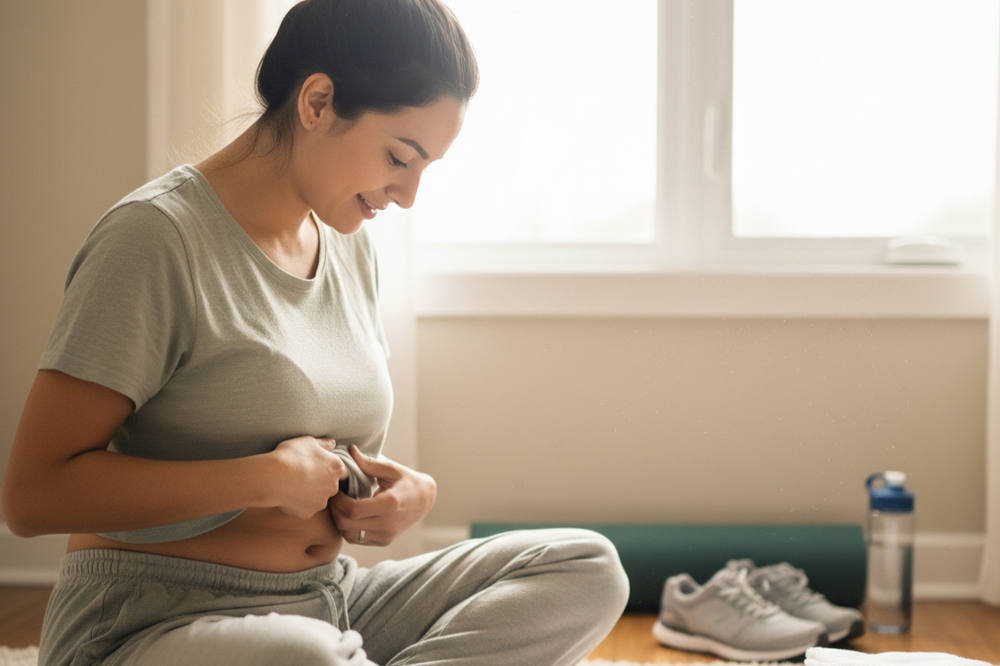
Many women notice a persistent overhang or "shelf" above their incision line. While some tissue changes are normal after abdominal surgery, this shelf often indicates deeper restrictions beneath the surface. The scar tissue may be adhering to underlying fascial layers and abdominal muscles, preventing proper tissue mobility.
Altered Sensation
Numbness around the incision site is incredibly common—but it's not something you need to accept as permanent. You might experience:
- Complete loss of sensation across the lower abdomen
- Hypersensitivity or sharp discomfort when the area is touched
- A pulling or tugging sensation during movement
- Itching or tingling that persists long after healing
The Hidden Impact of Adhesions
When scar tissue forms after surgery, it can create adhesions—bands of tissue that bind structures together that should move independently. These adhesions don't just affect the skin's surface; they can extend through multiple tissue layers, restricting the natural gliding motion between your:
- Skin and subcutaneous tissue
- Fascial planes
- Abdominal muscles
- Even organs in some cases
Why Scar Mobility Matters More Than You Think
Your abdominal tissues weren't designed to be stuck together. Healthy connective tissue needs freedom to slide, glide, and move as you bend, twist, and engage your core.
When a C-section scar becomes restricted, the effects ripple outward:
Movement Limitations: Adhesions can restrict hip flexion and rotation, making it harder to perform everyday movements like picking up your child, getting in and out of the car, or exercising comfortably.
Compensatory Pain: When your body can't move optimally at the scar site, it compensates elsewhere. This often manifests as lower back pain, hip discomfort, or even pain radiating into the pelvis.
Pelvic Floor Dysfunction: Surprisingly, a stuck abdominal scar can contribute to bladder urgency, difficulty controlling urine flow, and pelvic pressure. The fascial connections between your abdominal wall and pelvic floor mean that restriction in one area affects the other.
Core Weakness: If the tissues around your incision can't move properly, it's difficult to effectively recruit and strengthen your deeper abdominal muscles, particularly the transverse abdominis.
How I Approach C-Section Scar Treatment
At our Burlington clinic, I take a comprehensive approach to C-section scar recovery. Here's what treatment typically involves:
Manual Scar Tissue Release
Using specialized hands-on techniques, I work to gently break up adhesions and restore mobility to the restricted tissues. This isn't painful—in fact, most clients find it surprisingly comfortable. The goal is to help the layers of tissue rediscover their ability to move independently, reducing the shelf appearance and improving overall tissue quality.
Desensitization Therapy
For areas experiencing numbness or hypersensitivity, I guide you through progressive desensitization techniques. This retrains your nervous system to process sensory information from the scar area more normally. Over time, numb areas often regain sensation, and hypersensitive areas become more comfortable to touch.
Functional Core Rehabilitation
Once we've addressed the scar tissue itself, we focus on helping you safely reconnect with your deep core muscles. Many women are nervous about engaging their abs after a C-section—and understandably so. I'll teach you how to:
- Activate your transverse abdominis without creating excessive intra-abdominal pressure
- Coordinate your breath with core engagement
- Progress gradually to more challenging movements
- Return to exercise safely and confidently
This work integrates seamlessly with broader postpartum recovery goals, addressing the whole picture of your healing.
When Should You Address Your C-Section Scar?
The short answer: whenever you're experiencing symptoms or concerns.
I've worked with mothers at every stage:
-
Early postpartum (starting around 6-8 weeks post-surgery): Early intervention can prevent adhesions from becoming more established and help you return to activity with proper guidance.
-
Months after delivery: If you're noticing persistent symptoms as you try to return to exercise or daily activities, treatment can make a significant difference.
-
Years later: Even if your C-section was five, ten, or fifteen years ago, scar tissue work can still be highly effective. It's never too late to improve how your scar looks, feels, and functions.
What to Expect from Treatment
Most clients notice improvements within a few sessions. You might observe:
- Flattening of the scar and reduced shelf appearance
- Decreased pulling or tugging sensations
- Improved sensation (or reduced hypersensitivity)
- Greater ease with movement and exercise
- Reduction in compensatory pain elsewhere in the body
- Better core strength and control
The number of sessions needed varies based on how established the adhesions are and your individual healing response, but I'll work with you to create a personalized treatment plan that fits your goals and schedule.
Your Recovery Doesn't Have to Stop at Six Weeks
The standard postpartum timeline often overlooks the specialized care that C-section scars need to heal optimally. But you don't have to navigate this alone or accept persistent symptoms as "just part of recovery."
Whether you delivered recently or years ago, whether you're experiencing obvious symptoms or just curious about optimizing your healing, I'm here to help.
Ready to address your C-section scar? Book an assessment with me, Juhi Israni, at Burlington Pelvic Physiotherapy. Our clinic is conveniently located at 960 Cumberland Ave, Burlington, ON L7N 3J6, and you can reach us at 905-635-5711.
Let's work together to help your body heal completely—not just with time, but with the targeted care your scar deserves.